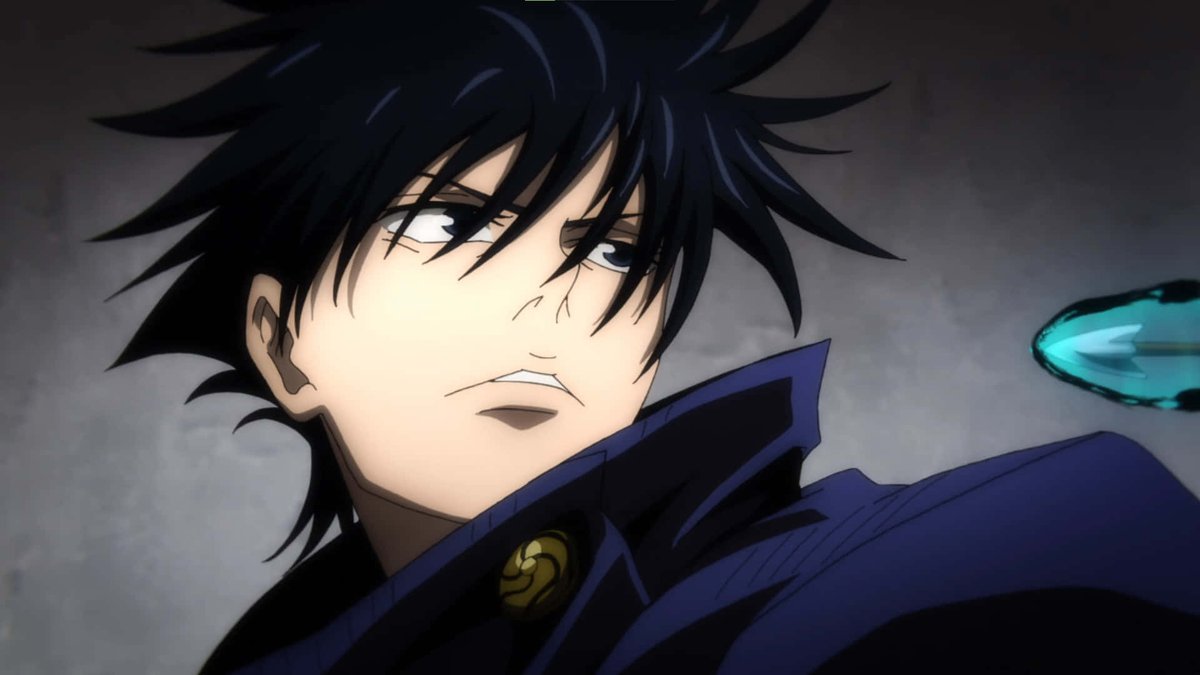
Have you ever found yourself doing a double-take while watching Chainsaw Man, thinking you spotted a familiar face from Jujutsu Kaisen? You're not alone! The striking resemblances between certain characters in popular shonen anime often spark intriguing discussions and, occasionally, a bit of confusion. While Megumi Fushiguro is undeniably a fan-favorite from Jujutsu Kaisen, the truth is, he doesn't actually appear in Chainsaw Man. Instead, what many fans are picking up on are the undeniable, fascinating parallels between Megumi and Chainsaw Man's own brooding deuteragonist, Aki Hayakawa.
This hub is designed to untangle that very comparison, shedding light on why these two characters, despite existing in entirely separate universes, feel so remarkably similar to many viewers. We'll explore their shared traits, divergent paths, and the broader archetypes they embody in the rich tapestry of shonen storytelling.
The Core Misconception: Is Megumi Fushiguro Really in Chainsaw Man?
Let's clear the air right from the start: Megumi Fushiguro is a pivotal character in Gege Akutami's Jujutsu Kaisen, an intricate world filled with curses, sorcerers, and intense battles. Aki Hayakawa, on the other hand, is a central figure in Tatsuki Fujimoto's gritty, chaotic world of Chainsaw Man, where devils run rampant. They hail from distinct manga and anime series.
However, the powerful resemblance isn't a mere coincidence in the minds of fans. Their similar appearances, quiet intensity, and unique combat styles have led to frequent comparisons, prompting many to question if there's a deeper connection or perhaps even a deliberate homage. It's a testament to the strong character designs that resonate across different titles.
Unpacking the Striking Similarities Between Aki Hayakawa and Megumi Fushiguro
The first thing most fans notice about Aki and Megumi is their visual and personality overlap. Both characters sport dark hair, often styled in a somewhat messy, practical way. They share a strikingly similar stoic demeanor, carrying themselves with a quiet intensity that belies their true emotional depth. Each is generally reserved, often preferring action over words, and possesses a solitary nature that makes their rare moments of vulnerability all the more impactful.
Their roles within their respective narratives also align in a fascinating way. Both Aki and Megumi serve as the serious, often grounding, counterbalance to their series' more boisterous and unconventional protagonists (Denji for Aki, Yuji Itadori for Megumi). If you're curious about the specific physical traits and personality quirks that make them so alike, you'll find a detailed breakdown when you dive into [placeholder_link slug='aki-hayakawa-megumi-fushiguro-appearance-personality' text='Aki Hayakawa vs. Megumi Fushiguro: Unpacking Their Shared Persona'].
Battle Prowess: Comparing Their Unique Combat Styles and Spirit Companions
Beyond their looks and personalities, Aki and Megumi also share a thematic similarity in their combat abilities, particularly their reliance on summoned entities. Aki's "Kon" ability, which allows him to manifest a fox devil head for powerful attacks, has drawn direct parallels to Megumi's Ten Shadows Technique. Megumi, a master of shikigami, can summon a variety of powerful shadow-based creatures, such as the Divine Dogs and Nue, to aid him in battle.
This shared reliance on conjured companions, often with animalistic forms and distinct powers, is a major factor in why fans connect them. It suggests a certain type of strategic, controlled fighting style that sets them apart from their more straightforward power-focused allies. To truly appreciate the nuances of their respective arsenals and how they stack up against each other, consider exploring [placeholder_link slug='chainsaw-man-jujutsu-kaisen-abilities-comparison' text='Chainsaw Man and Jujutsu Kaisen: A Deep Dive into Similar Powers'].
Beyond the Surface: Divergent Paths and Deeper Motivations
While the surface-level similarities are plentiful, it's crucial to acknowledge the fundamental differences that define Aki and Megumi. Their core motivations, the very reasons they entered their dangerous professions, diverge significantly. Aki's path is fueled by a burning desire for revenge against the Gun Devil, which brutally murdered his family. His journey is one of grim determination, seeking retribution at almost any cost.
Megumi, conversely, is driven by a strong moral compass and a fervent desire to protect innocent lives. As a Jujutsu Sorcerer, his goal is to exorcise curses and ensure that good people can live peacefully. Furthermore, their roles within their developing relationships differ. Aki takes on a protective, almost older-brother role for Denji and Power, forming a found family dynamic. Megumi, alongside Yuji and Nobara, develops a relationship rooted in mutual teenage friendship and camaraderie. Understanding these foundational differences truly helps in appreciating their individual complexities, which you can delve into with [placeholder_link slug='aki-megumi-character-motivations-explained' text='Behind the Resolve: Aki and Megumi\'s Driving Motivations'].
The "Sasuke Archetype" and Shonen Tropes: A Broader Lens
The comparison between Aki and Megumi is not an isolated incident. It's part of a larger trend in shonen anime where new series and characters are often held up against popular predecessors. Many fans also draw a direct line from both Aki and Megumi to Sasuke Uchiha from Naruto. Sasuke, with his dark hair, stoic demeanor, quest for revenge, and powerful, often dark, abilities, established a potent character archetype in shonen.
This "Sasuke Archetype" represents a character who is usually highly skilled, often aloof, driven by a complex past, and acts as a rival or secondary protagonist. Recognizing this broader trend helps us understand that while Chainsaw Man and Jujutsu Kaisen both share similar thematic threads and character archetypes, they are ultimately unique stories with their own distinct voices and narrative strengths. For a deeper look at this pervasive character type across different series, check out [placeholder_link slug='sasuke-uchiha-shonen-archetype' text='The Sasuke Archetype: From Naruto to Jujutsu Kaisen and Chainsaw Man'].
Dive Deeper: Individual Character Spotlights
Ultimately, both Aki Hayakawa and Megumi Fushiguro are incredibly well-written, complex characters who undergo significant development throughout their respective series. They are not merely copies of one another, but rather compelling individuals who resonate with audiences for their unique struggles, growth, and contributions to their stories.
If you've found this exploration intriguing and want to understand each character in their full glory, we've prepared dedicated guides to help you do just that. To learn everything about Chainsaw Man's enigmatic devil hunter, you'll want to read [placeholder_link slug='aki-hayakawa-full-character-profile' text='Everything You Need to Know About Aki Hayakawa']. And for a complete immersion into the world and abilities of Jujutsu Kaisen's powerful sorcerer, be sure to explore [placeholder_link slug='megumi-fushiguro-full-character-profile' text='Your Complete Guide to Megumi Fushiguro'].
By celebrating both their similarities and their stark differences, we gain a richer appreciation for the creativity in modern shonen anime. The conversations these comparisons spark only serve to deepen our love for these incredible characters and the worlds they inhabit.